FTP Clearinghouse
FinServAnalytics launches FTP Clearinghouse, a Match Funded approach to FTP.
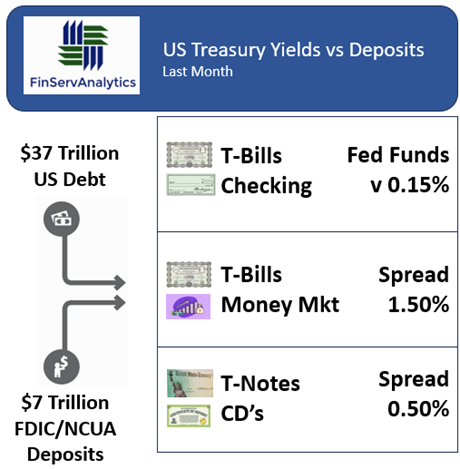
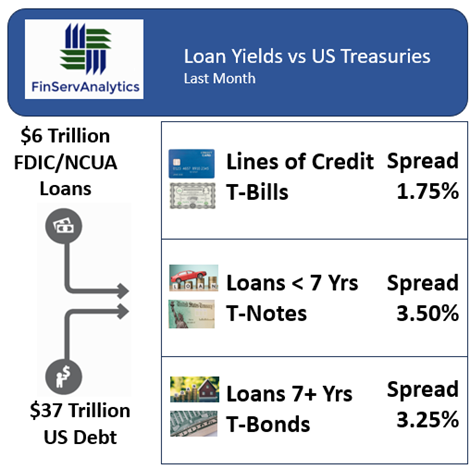
Funds transfer pricing (FTP) is an internal accounting method used by financial institutions to measure the true profitability of business units, such as loan and deposit divisions. A centralized treasury function buys funds from deposit-generating units and sells them to loan-generating units, crediting one and charging the other using an internal transfer rate.
The main challenge is that FTP requires accurate, timely, and comprehensive data on cash flows, maturities, and volumes. However, data can be fragmented across different departments and systems. Market rates also fluctuate constantly, and a static FTP model can quickly become obsolete in a dynamic market.
The main benefit of a match funded approach to FTP is that it provides more accurate and granular data by pricing each instrument at the individual record level based on its characteristics, leading to better margin management, consistent valuation, and an ability to disaggregate and understand specific components of net interest margin.
FTP Clearinghouse – If you are looking for an FTP solution that uses the match funded approach, FTP Clearinghouse would be a good fit. All your institution needs to do is send monthly loan and deposit files with a few data points to FinServAnalytics and they will append the appropriate FTP rate that is based on daily tracked US Treasury rates.
Pricing/Implementation
- Annual Subscription
- Loans < $500Mil – $6,500 (1 – 2 days)
- Loans $500Mil to $1Bil – $8,500 (2 to 4 days)
- Loans $1Bil – $2.5Bil – $12,500 (5 days)
- Loans > $2.5Bil – $15,500 (8 days)
- Loans based on most recent Call Report filed with FDIC/NCUA
Key Benefits
- First time analysis is free
- 45+ years of rate data provides true cycle analysis capability
- Daily granularity enables precise timing analysis for funding and investmet decisions
- Multiple yield curve points (13 maturities) support accurate duration modeling
- Loan/Deposit pricing accuracy (understand true lifetime profitability by rate environment)
- Risk management (early identification of problem vintages)
- Strategic planning (capital allocation based on cycle-adjusted returns)
- Regulatory positioning (sophisticated analytics demonstrate risk management competency)